


Off-the-Shelf Voices
Deploy production-ready voices across multiple languages for real-time speech synthesis. Immediate availability, consistent pronunciation, and optimised for real-time synthesis, suitable for embedded and server-based systems.
Enterprise-grade neural TTS for embedded systems, edge platforms, and on-premise industrial environments. Generate spoken alerts and operational messages across control rooms, automation platforms, and industrial equipment.
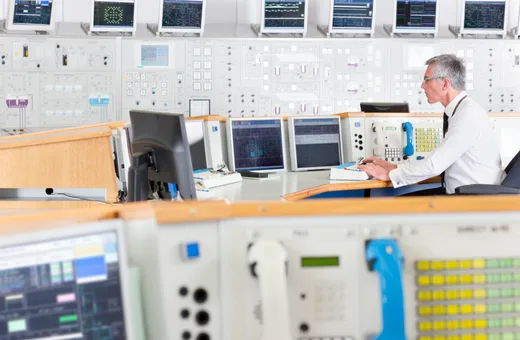

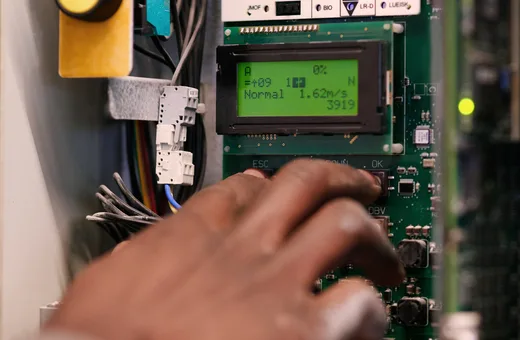

A control-room alarm reporting unsafe pressure in a reactor and calling for immediate action.
A voice-guided procedure reading the next maintenance step to a technician.
An equipment interface announcing it is ready and asking for the next operation.
A site-wide announcement asking staff to clear a zone before maintenance begins.
Warning, pressure exceeding safe limits in reactor 3. Immediate action required.
Step 3. Secure the panel. Then, verify torque settings before restarting the system.
System ready. Please select the next operation on the control panel.
Attention! Maintenance will begin in zone 2 in 5 minutes. Please clear the area.
Use cases
Industrial systems generate alarms, alerts, and operational messages that operators must interpret quickly. TTS software converts system events and operational data into spoken output across industrial applications.
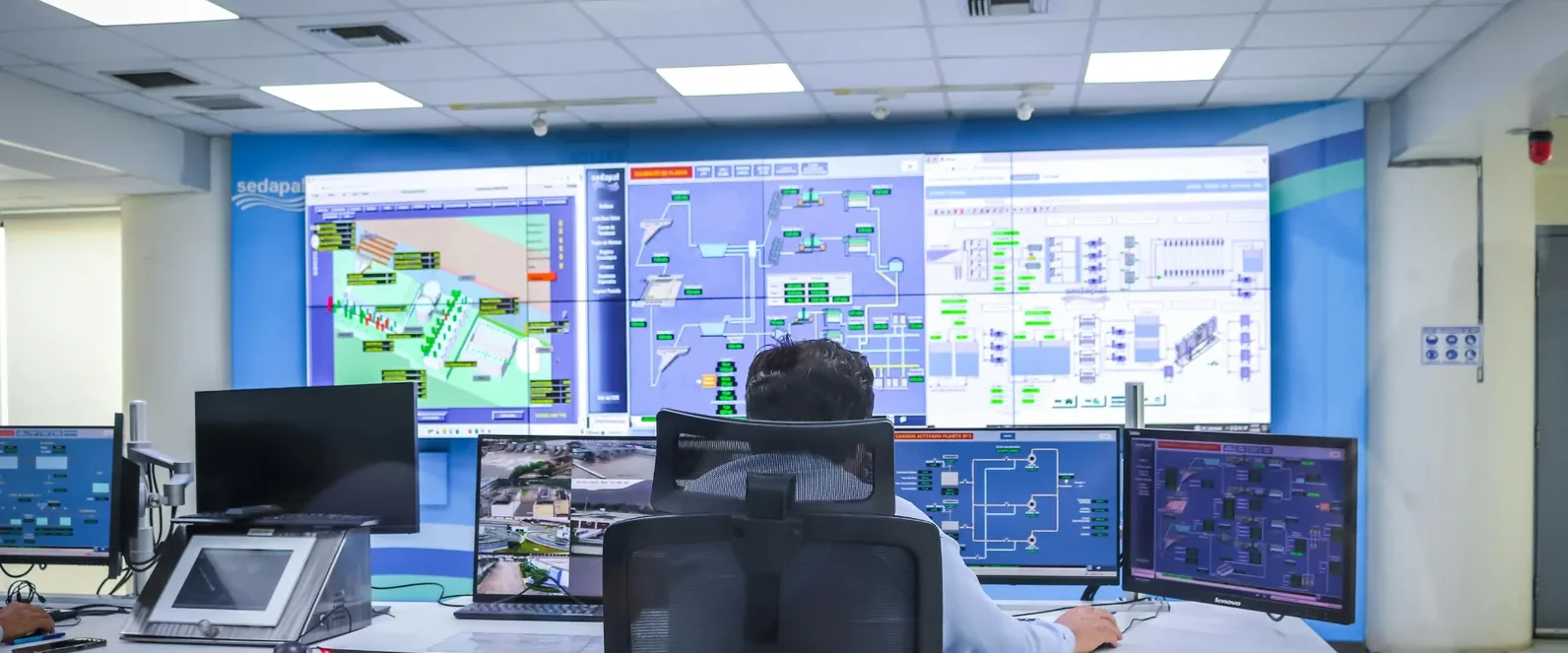
Dynamic speech synthesis delivers spoken alarms and operational notifications directly from SCADA platforms and monitoring systems. Voice alerts improve situational awareness and response times in control environments.
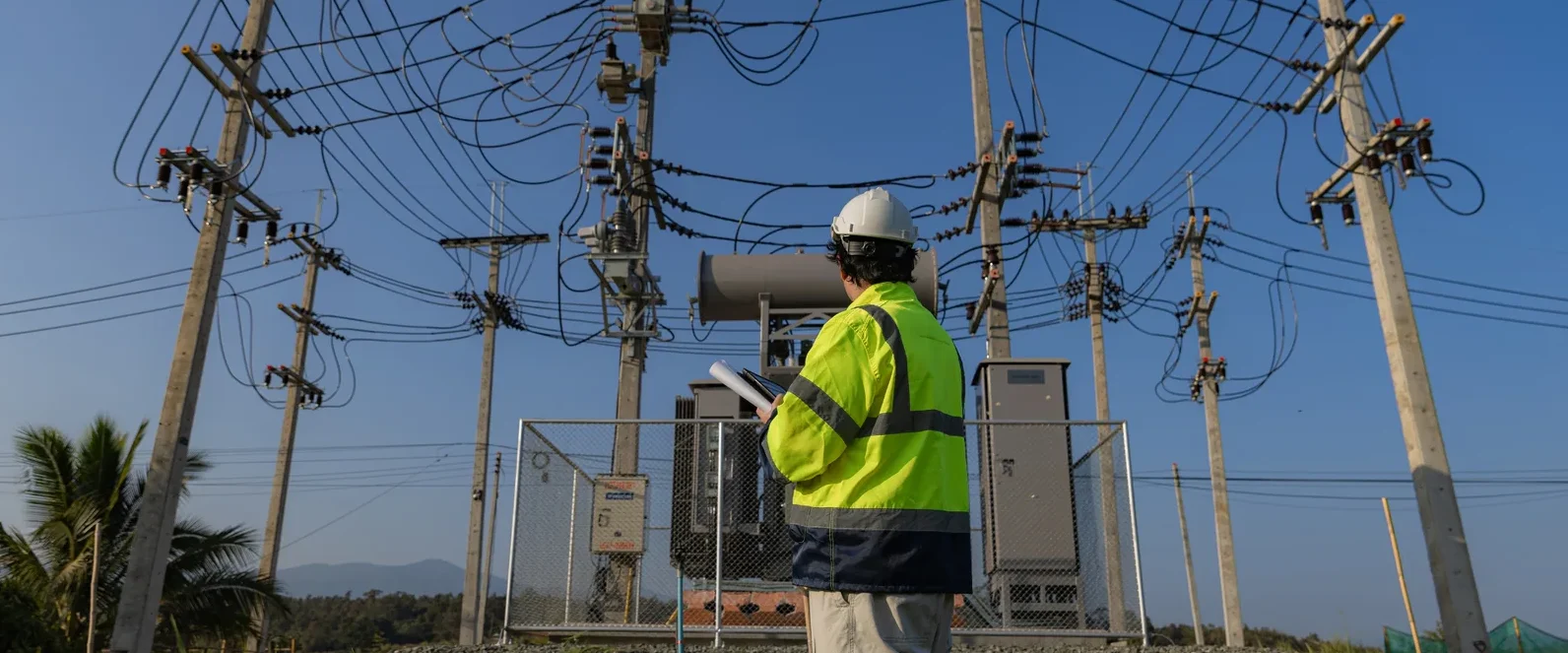
Text to speech delivers step-by-step voice guidance to technicians during maintenance and service tasks. Hands-free instructions reduce reliance on screens and improve operational efficiency.

An embedded TTS engine enables industrial devices and HMIs to generate spoken prompts and system feedback locally. On-device speech synthesis supports deterministic performance and reliable operation in production environments.
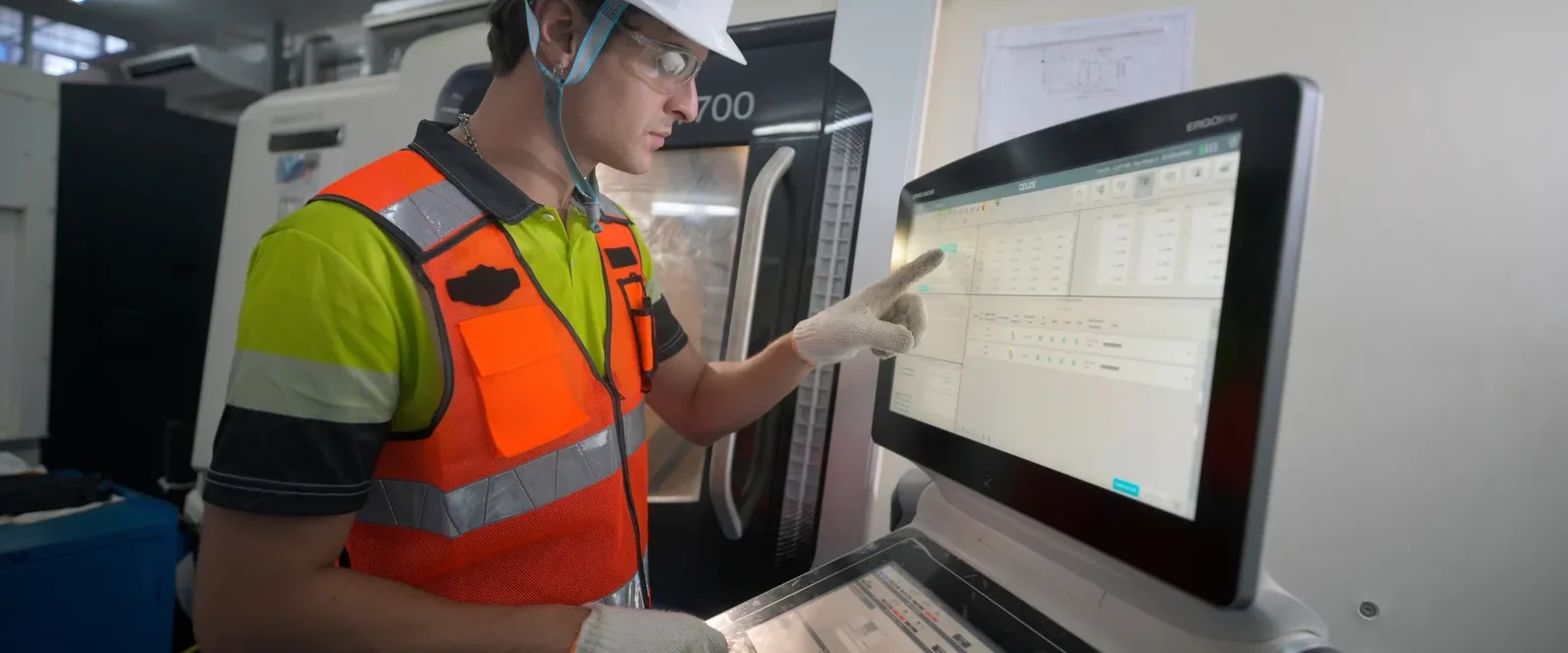
Speech synthesis deployed on industrial gateways or local servers enables centralised voice services across facilities. Edge deployments aggregate alerts from multiple systems and deliver consistent spoken notifications.
Benefits
Run voice output in disconnected or air-gapped environments without reliance on external cloud infrastructure.
Operate speech synthesis entirely within controlled operational technology networks, with local processing and no external data transfer.
Designed for multi-year industrial system lifecycles, with predictable performance across embedded, edge, and on-premise environments.
Enable clear communication across international facilities and multilingual teams with a growing catalog of natural neural voices.
Replace manual audio file updates with dynamically generated speech output, reducing operational maintenance and keeping messages always up to date.
Align deployment costs with long-term infrastructure planning through per-device, per-server, and enterprise licensing options.
Languages & voices
Clear, consistent neural speech output supports safe and efficient operations. Whether you choose one of our 300+ ready-to-deploy AI-powered voices or a custom brand voice, ReadSpeaker TTS fits seamlessly into your industrial communication systems.
Deploy production-ready voices across multiple languages for real-time speech synthesis. Immediate availability, consistent pronunciation, and optimised for real-time synthesis, suitable for embedded and server-based systems.
For industrial environments where consistent and standardised speech output is needed, ReadSpeaker develops custom voices using ethically sourced recordings and controlled production processes.
Products
ReadSpeaker text-to-speech integrates with industrial systems via SDKs, server deployments, and APIs. Supported operating systems include Windows, Windows Server, Linux, Linux Server, iOS, and Android. Custom platform porting is available when required.
Integrate speech synthesis directly into industrial devices, HMIs, and equipment interfaces with ReadSpeaker's speechEngine SDKs, for on-device, offline-capable speech output.
Centralise speech synthesis on industrial gateways and internal servers with speechServer, delivering site-wide voice services across your facility.
Extend speech synthesis to connected applications or hybrid environments with speechCloud API when additional reach is required.
ReadSpeaker text to speech integrates into standard industrial software environments.
Pricing
ReadSpeaker offers pricing models designed for long-term industrial deployments and predictable operational costs. Options include:
Contact us for a personalised quote tailored to your industrial use case.
Get a free quotePer-device licensing
Per-server licensing
Enterprise agreements
Volume-based deployment models
FAQ
Find quick answers to common questions about text-to-speech for industrial automation.
Industrial systems generate large volumes of operational information. Real-time text-to-speech converts this into spoken alerts and guidance, helping operators respond more quickly and improving situational awareness in control environments.
Yes. Embedded and edge deployments allow speech synthesis to operate without internet connectivity, making it suitable for restricted or air-gapped environments.
Integration occurs through APIs, SDKs, or server deployments connected to SCADA systems, HMIs, MES, CMMS, FSM systems, or monitoring platforms. System messages and alarms can then be converted into spoken notifications in real time.
Yes. ReadSpeaker provides voices in multiple languages, enabling spoken alerts and system messages to be understood across global operations and multilingual teams.
Yes. Custom voices can be created to provide consistent and standardised spoken communication across systems, applications, and operational environments.
Yes. Deployments can run entirely within controlled operational technology networks, with local processing and no external data transfer.
Yes. Speech synthesis can be deployed on industrial gateways or local servers to provide site-wide voice services, aggregating alerts from multiple systems.
Yes. Text-to-speech integrates with SCADA platforms, control systems, and HMI software to convert system alerts and operational messages into spoken output.
Industrial text-to-speech solutions support environments such as Linux, Windows, iOS, Android, and other embedded operating systems used in industrial devices and gateways. Custom platform porting is available when required.