


Education
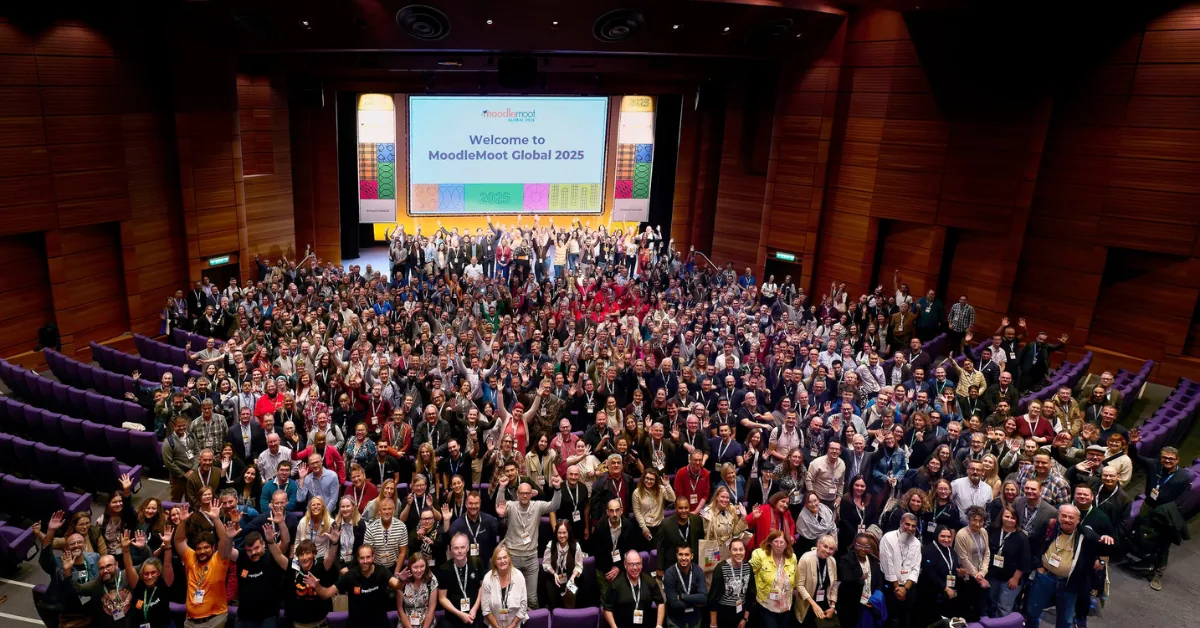
Integrity Meets Inclusion: Building Reliable Online Assessments in the Age of AI
Discover how ReadSpeaker and SMOWL combine academic integrity and accessibility to support reliable, inclusive online assessments within the Moodle ecosystem.
September 8, 2021
This time, we’re discussing LMS (Learning Management System) platforms and the considerations educational institutions and companies should bear in mind when shopping for or using… Read the full article
This time, we’re discussing LMS (Learning Management System) platforms and the considerations educational institutions and companies should bear in mind when shopping for or using one. Once again, we welcome Michelle Arentz, Learning & Development Consultant with Lazarus Learning LLC (opens in a new tab).
An LMS, or Learning Management System, is a software platform that helps a company handle the “soup to nuts” of learning in an organization: administration, tracking, records, automation and delivery of learning content. Features vary depending on the vendor, but at minimum an LMS allows one to house online learning material and capture the data on who viewed it, and when. They can be great tools for managing learning and development and making it easier to handle important aspects of education, such as compliance, assessments and record-keeping. Without an LMS, teaching is typically much more labor intensive, with manual records, and more limited options for getting material in front of learners.
There are a lot of variables when choosing an LMS. Having been involved in selection and implementation of several platforms myself, it can be a painstaking task to undertake, but one of the more crucial elements in the end. An LMS can mean a significant investment for an organization, so you want to be sure you spend your money wisely, and find the solution with the best fit, including both for the present, and the future. The number of platforms and the capabilities they offer have grown dramatically over the last 10 years, so there’s a lot out there to choose from. The downside of all that choice is that it can seem overwhelming, so solid planning on the front end is critical.
Apart from the more obvious elements, such as cost and basic operational capabilities, consider who your users are, and their needs. Who’s your audience? How can they have the best learning experience possible? With increasingly diverse learners, anyone in the market for an LMS should be thinking about inclusivity and the features available to meet the needs of their students, and be as user-friendly as possible. A few other top-of-mind items on the list that I’d advise are:
Bear in mind any legal requirements your organization or industry may have. In certain circumstances there may be legislation such as the ADA (Americans with Disabilities Act) in effect that means you must provide accessibility and/or accommodations for use of an LMS platform, or the content in it. Failing to pay attention to these kinds of details can lead to potentially costly penalties, or loss of goodwill between an organization and it’s students. Nobody wants to be left out, and nobody should be left out. We know we need things like ramps, elevators and accessible washrooms, but we tend to forget the less tangible, yet equally important, aspects which include the ability to access information and experiences as equitably as possible.
Talk to your staff. If you don’t yet have an LMS, ask early (and across the board) for input on what they want and need in order to make the most of such an investment. Never assume you know what they need! Given that approximately 20% of students has a disability, you are sure to have students that haven’t even been identified with challenges. Consideration for vision impairment also needs to be on the radar. Not everyone speaks English as a first language, and even when they do, it doesn’t mean that they fully understand the language being used. Some may read it better than they hear it, others will be the reverse, and appreciate hearing the words instead. This ties back to knowing your audience and adjusting to their needs.
If you have an LMS already, look for opportunities to fine-tune and improve on what you have. Let your vendor know what you’re interested in, and ask them to make note of, or even escalate if possible, your request for any features for accessibility in your LMS (opens in a new tab) if they’re not already available. If enough customers request such items, chances are they’ll get included in future upgrades. Also ask them for any “hidden gems” that already are in the system, but you haven’t been aware of or turned on yet. Again, ask around to see what your students’ experience is, and what can be done to enhance it.
Have an open mind beyond the current state of your learners too; choosing a platform with robust features and flexibility means you can have a wider range of future learners fully engaged in learning. Adjusting or augmenting your existing LMS can yield similar results. Don’t feel tied to what you have, and don’t settle for less than the best you can offer.
Last, but not least, it’s worth noting that the latest generation are generally pretty keen on educational opportunities, social justice and greater equity, so when you can include information about what you offer in relation to these, and your level of inclusiveness with it, you may well find you attract and retain top students as a result. It can only help to show that you take inclusivity in learning and development seriously, and that it’s beneficial for everyone in your organization, and beyond.
Interested in assistive technologies for Learning Management Systems?
Contact usWith degrees in Communication Studies and Education, learning has been an integral part of Michelle’s life. Having woven a career tapestry over the past 20+ years that has moved between corporate learning and development and public education, for her, it’s a calling, not just a career. With many years’ experience in content, course, and program design and delivery, making learning engaging and meaningful is her mission. Sharing her love of facilitating and teaching, she has reached a wide range of audiences, from high school students to manufacturing plant workers to corporate leaders, both domestically and abroad. Now operating as an independent consultant and instructional designer in her business, Michelle blends her skills and passion for skill and knowledge advancement in the service of clients who wish to improve the life-long learning journey of themselves and their employees.
Lazarus Learning LLC was inspired by Michelle’s desire to ‘breathe new life’ into learning content, resurrecting existing materials clients may have, or creating it from scratch. Years of experience in learning and development proved that while many have great knowledge and abilities, it’s not always evident in the materials they have. Everyone benefits when given access to enriched and engaging learning materials and experiences, and Michelle is determined to help rid the world of “death by PowerPoint” as she applies her talents to learning and development projects.
Education
Discover how ReadSpeaker and SMOWL combine academic integrity and accessibility to support reliable, inclusive online assessments within the Moodle ecosystem.
Education
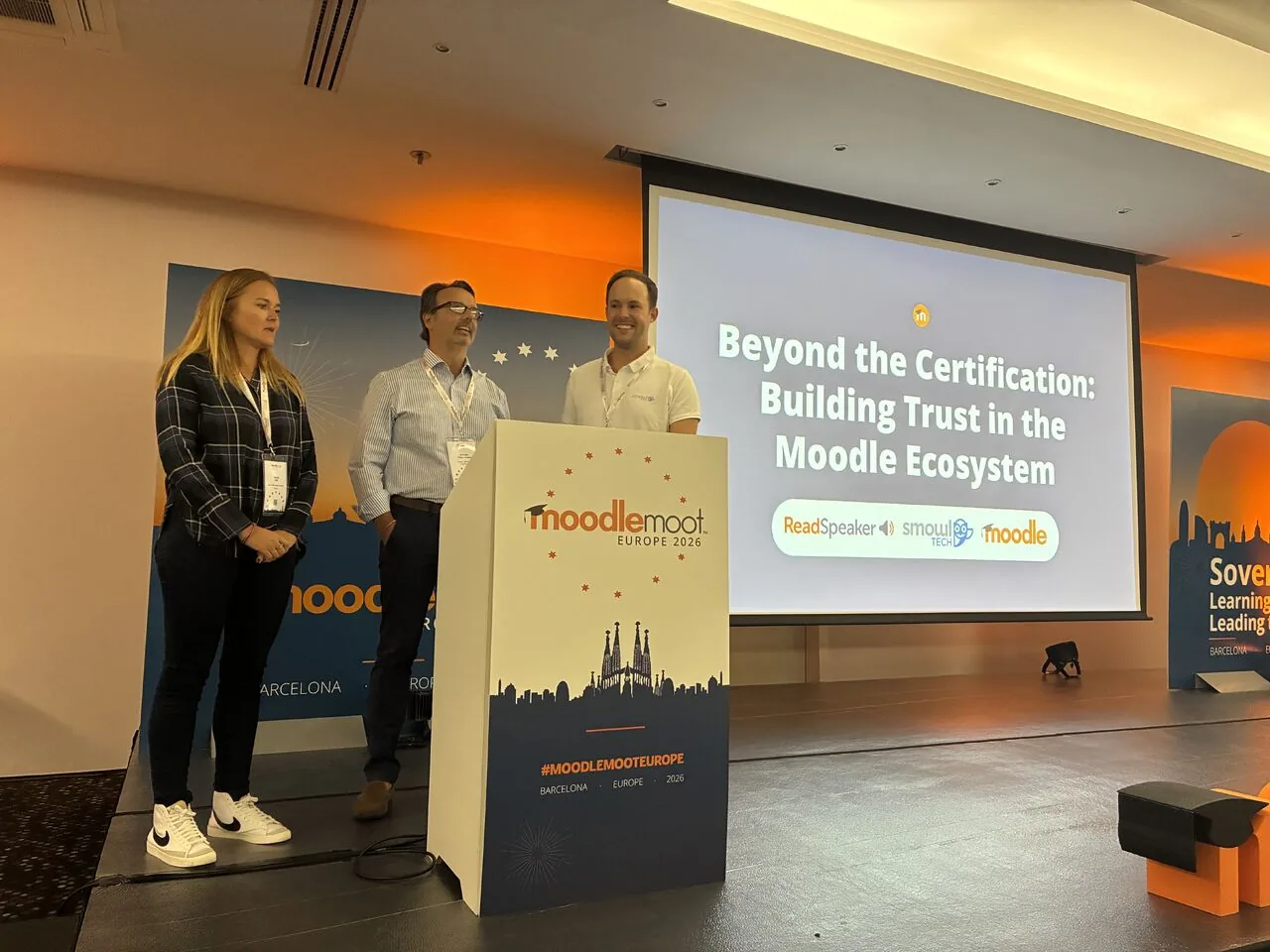
How Moodle Marketplace and Certified Integrations make it easier for institutions to find trusted solutions and build more inclusive learning experiences.
Education
See how ILIAS and ReadSpeaker's text-to-speech technology work together to create more flexible learning experiences, with insights from the University of Stuttgart.