Education
Integrity Meets Inclusion: Building Reliable Online Assessments in the Age of AI
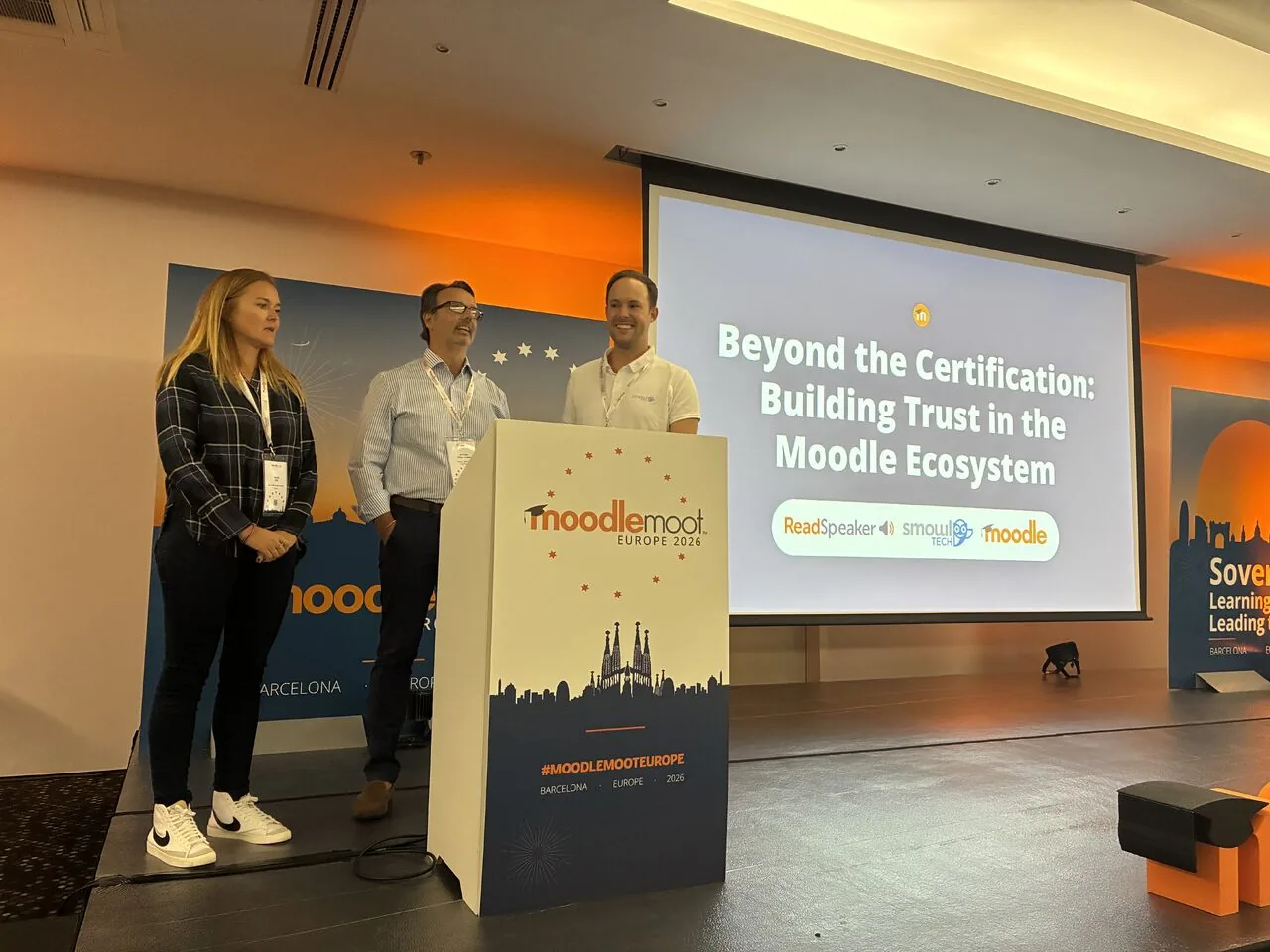
Discover how ReadSpeaker and SMOWL combine academic integrity and accessibility to support reliable, inclusive online assessments within the Moodle ecosystem.
September 15, 2022
As children and adults, we use all our senses to explore the world. A person may see and smell a flower, or feel and hear… Read the full article
As children and adults, we use all our senses to explore the world. A person may see and smell a flower, or feel and hear the rain. Our senses work in concert, rather than individually, to inform us about our experiences.
It’s no surprise then, that our inherent learning methods follow us into the classroom. No matter the subject, most people process information using multiple senses. Approximately two-thirds (opens in a new tab) of students are multimodal learners, which means they’re most successful when information is presented in more than one way. This population includes the 20% of students who prefer bimodal learning.
In addition to being widely preferred, bimodal learning can offer a number of benefits for students of all ages. Here’s what you need to know about this learning style.
Bimodal learning is the process of acquiring knowledge using two types of content at the same time. It often refers to information that is presented to students in both audio and visual formats. For example, text-to-speech solutions like ReadSpeaker, which can function as a bimodal system, allow students to read highlighted text as each word or sentence is read out loud.
Bimodal learning aligns with the principles of Universal Design for Learning (UDL). UDL indicates that educators should provide flexible ways to meet the needs of individual learners and give all students equal opportunity to succeed in their education. When students are empowered to embrace more than one learning style, they can better learn at the same pace as their peers.
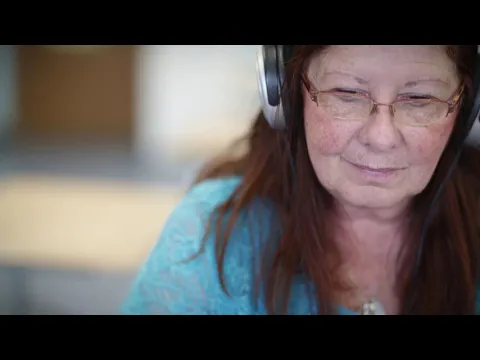 (play video)
There’s been a considerable amount of research done to showcase the effectiveness of bimodal learning on student success. As a result, pairing auditory and visual content together is widely believed to have a positive impact on learning. When you blend multiple learning styles together using bimodal listening and reading, you can experience these five key benefits:
When text is presented bimodally, students are better able to understand what they’ve read. Those who struggle with traditional, text-only materials don’t have to put in double the effort to comprehend written material. Instead, they can use audio to guide their reading and make sense of the concepts that confuse them on paper. In a study (opens in a new tab) by two University of Melbourne researchers, students performed significantly better on reading assessments if they read with the assistance of a text to speech (TTS) tool.
Students who embrace bimodal learning can also recall information faster.
This effect of bimodal learning benefits students with lower-level reading abilities the most. An early study (opens in a new tab) of bimodal learning found that having two content formats helped these students recall more words, even if they weren’t tested immediately. Bimodal hearing and reading allowed those struggling students to perform at their expected level, instead of lagging behind.
For both learning and memorizing, bimodal learning can be an incredibly helpful tool.
Decoding is an essential reading skill that allows us to correctly pronounce the written words we see on our books and screens. It’s also one of the skills that below-average readers struggle with the most. Among fourth graders, the lowest-performing students misread an average of one in six (opens in a new tab) words. Plus, their attention to individual words made it difficult to focus on entire sentences (and therefore, entire concepts).
Bimodal learning helps students improve their word recognition and phonological decoding skills. When students are able to match what they’re hearing to the words they see, they can better connect spellings and pronunciations, which can continue enhancing their reading skills and comprehension in the future.
Bimodal learning has long been recognized as a way to encourage students to read. As far back as 1989, researchers have found that learners gain a more positive attitude about reading when offered information through text and audio.
When you break down the barriers to reading, students begin to enjoy the activity far more, rather than struggling through it. As a result, they may read more content, more often.
When students feel like they can’t read, they’re less likely to do so. Offering learners a bimodal system is proven to help students and workers read faster, which enhances self-confidence. (opens in a new tab) This confidence boost can be all that’s needed to motivate learners to read and gain knowledge that’s essential for their future.
ReadSpeaker’s text-to-speech software empowers learners to engage with and absorb content in multiple ways. We enable courses, lessons, tests, quizzes, assessments, reading assignments, and any other text-based content to be read aloud while students follow along with highlighted text.
Any institution can easily integrate ReadSpeaker into its learning management systems, so it can be available for everyone to use. Students don’t need to download anything to benefit from our bimodal learning options.
ReadSpeaker can support students and teachers at your institution.
See howEducation
Discover how ReadSpeaker and SMOWL combine academic integrity and accessibility to support reliable, inclusive online assessments within the Moodle ecosystem.
Education
How Moodle Marketplace and Certified Integrations make it easier for institutions to find trusted solutions and build more inclusive learning experiences.
Education
See how ILIAS and ReadSpeaker's text-to-speech technology work together to create more flexible learning experiences, with insights from the University of Stuttgart.